
A Specialist’s Guide to Treating Hyperpigmentation: Why a One-Size-Fits-All Approach Falls Short
As a qualified dermal therapist, I’ve seen firsthand how frustrating hyperpigmentation can be—especially when you’ve tried product after product without real change. The truth? There’s no single solution that works for everyone. But there is a smarter way forward: a precise, layered strategy that targets your skin’s specific pigmentation type, using evidence-based clinical treatments and proven active skincare ingredients—supported by daily sun protection that’s non-negotiable in New Zealand’s intense UV climate.
At our clinic, we don’t guess. We diagnose. We work with advanced technology and gold-standard formulations including Aerolase Neo Elite laser, SkinPen microneedling, DMK enzyme and resurfacing therapies, and targeted skincare from Epicutis, SkinBetter Science, and EltaMD physical sunscreens. Each decision we make is based on your unique skin condition, history, and goals.
Understanding the Root Cause of Pigmentation
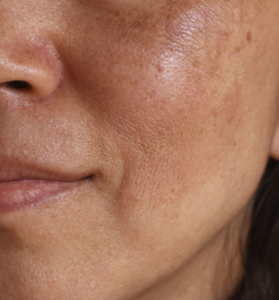
Hyperpigmentation is your skin’s way of sounding the alarm. At the cellular level, pigment-producing cells (melanocytes) start overproducing melanin in response to stress—whether that’s sun exposure, hormones, or inflammation. Treating the visible spot without addressing the underlying trigger is like mopping up water without turning off the tap.
As a specialist, my role is to identify the exact stressor your skin is reacting to. That’s why your journey always starts with a comprehensive skin consultation—we investigate the “why” before planning the “how.”
The Three Main Causes of Hyperpigmentation I See in Clinic
-
Sun Exposure
UV radiation is the most common—and most underestimated—trigger. It pushes your skin into self-protective mode, increasing melanin production. Over time, this leads to sunspots (solar lentigines) and general unevenness.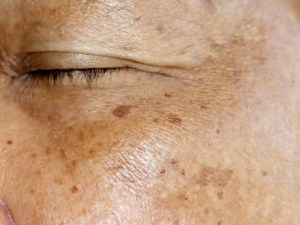
-
Hormonal Fluctuations (Melasma)
Melasma is hormonally driven and appears as symmetrical patches, most often on the cheeks, forehead, and upper lip. It’s complex, stubborn, and worsened by sun exposure or heat. Treating it requires a gentle, layered approach that avoids inflammation at all costs.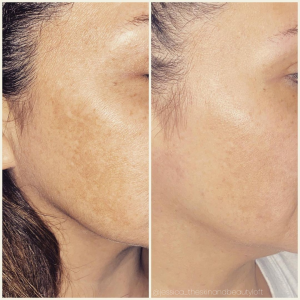
Aerolase NeoSkin Melasma treatment
-
Post-Inflammatory Hyperpigmentation (PIH)
These are the lingering marks left behind after acne, cuts, eczema, or even irritation from harsh treatments. PIH is common in all skin tones and typically responds well to SkinPen microneedling and pigment-regulating actives.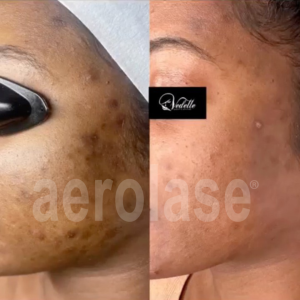
Laser for pigmented scarring
Why Hyperpigmentation is So Prevalent in New Zealand
Living under one of the most UV-intense atmospheres on earth, New Zealanders face a unique skin health challenge. I see increasing numbers of clients struggling with pigmentation that has built up over years of sun exposure—even with minimal sunburn history. The upside? Advances in laser technology and skincare actives now allow us to treat pigmentation more effectively and more safely than ever before.
Identifying Your Pigmentation Type Is Everything
Each pigmentation type demands a different treatment strategy. Here’s how I typically differentiate:
| Type | Appearance | Trigger | Location |
|---|---|---|---|
| Melasma | Symmetrical patches, brown to grey | Hormonal, worsened by UV | Cheeks, forehead, upper lip |
| PIH | Flat, scattered red to brown spots | Inflammation or injury | Face, body |
| Sunspots | Small, well-defined brown spots | Long-term UV exposure | Face, hands, arms |
This isn’t just academic—it informs every clinical decision we make. Misdiagnosis can lead to unnecessary inflammation and worsening of pigmentation, especially with melasma. That’s why all treatments begin with a professional diagnosis.
How We Treat Pigmentation in Clinic
In my practice, we combine science-backed modalities to correct pigment at the source, improve skin function, and protect your results long-term.
1. Aerolase Neo Elite Laser
This advanced 650-microsecond Nd:YAG laser is one of my go-to tools for targeting pigmentation without damaging surrounding skin. It’s incredibly effective for:
-
Sunspots and PIH
-
Redness-related pigmentation (rosacea, post-acne)
-
Supporting melasma when used in a low-heat, inflammation-reducing protocol
It works by delivering energy deep into the dermis, gently shattering pigment clusters and stimulating collagen while calming inflammation—ideal for treating pigment without triggering post-treatment sensitivity.
2. SkinPen Microneedling
Unlike resurfacing treatments that risk triggering melasma or PIH, SkinPen creates micro-channels in the skin to stimulate repair and increase cellular turnover. This helps lift excess pigment while improving tone and texture. It’s particularly helpful for:
-
PIH from past breakouts or eczema
-
General dullness or uneven skin tone
-
Post-treatment maintenance of pigment-prone skin
I often pair microneedling with custom-applied growth factors or calming serums to speed recovery and reduce inflammation.
3. DMK Skin Health Treatments
DMK’s enzyme therapy focuses on restoring optimal skin function and oxygenation—critical for long-term pigment control. We use DMK for clients with sluggish, congested, or barrier-damaged skin to:
-
Enhance circulation and lymphatic drainage
-
Strengthen the skin’s barrier and immune response
-
Lay the groundwork for future laser or microneedling success
4. Active Skincare: Epicutis, SkinBetter Science & EltaMD
What you do at home either supports or sabotages your results. We build each client’s skincare around powerful, evidence-based actives like:
-
Epicutis Lipid Serum for inflammation control and DNA repair
-
Vitamin C + Niacinamide combinations for pigment suppression
Every product is chosen to suit your skin’s current state—no trendy actives, just clinically proven tools for healing and protecting.
Your Most Important Skincare Step? Sunscreen.
There is no pigment treatment—no matter how advanced—that will work without strict daily SPF use. I recommend EltaMD physical sunscreens because they’re broad-spectrum, lightweight, and formulated for post-procedure and sensitive skin. Apply every single morning, rain or shine. Reapply if outdoors.
This one habit is your most powerful weapon in preventing pigmentation relapse.
The Power of Precision
What sets our clinic apart is not just the technology—it’s the strategy. We look at your skin through the lens of dermal science, not trends. That means:
A professional diagnosis
A treatment plan built around your pigment type and skin function
Synergistic in-clinic and at-home protocols
Long-term care to prevent recurrence
Common Client Questions
“How long will it take to see results?”
Most clients start to notice visible improvement in 8–12 weeks. More stubborn pigmentation, such as melasma, may take longer—but with consistency, we typically see transformational results within 3–6 months.
“Will my pigmentation come back?”
It can. That’s why we always create a maintenance plan including skincare, SPF, and future review appointments. With consistency, recurrence is minimal.
“Is it painful?”
No. Treatments like Aerolase and SkinPen are very well tolerated. We always prioritise comfort and safety—numbing is provided where needed, and downtime is minimal.
Ready for Real Results?
If pigmentation has been weighing on your confidence, you don’t have to manage it alone—or guess your way through products. As a specialist in dermal therapy, I’m here to guide you with clinical precision, empathy, and solutions that actually work.
Book your professional skin consultation today, and let’s map out a treatment plan tailored entirely to you.